How Boom and Arm Cylinders Work Together During Excavation
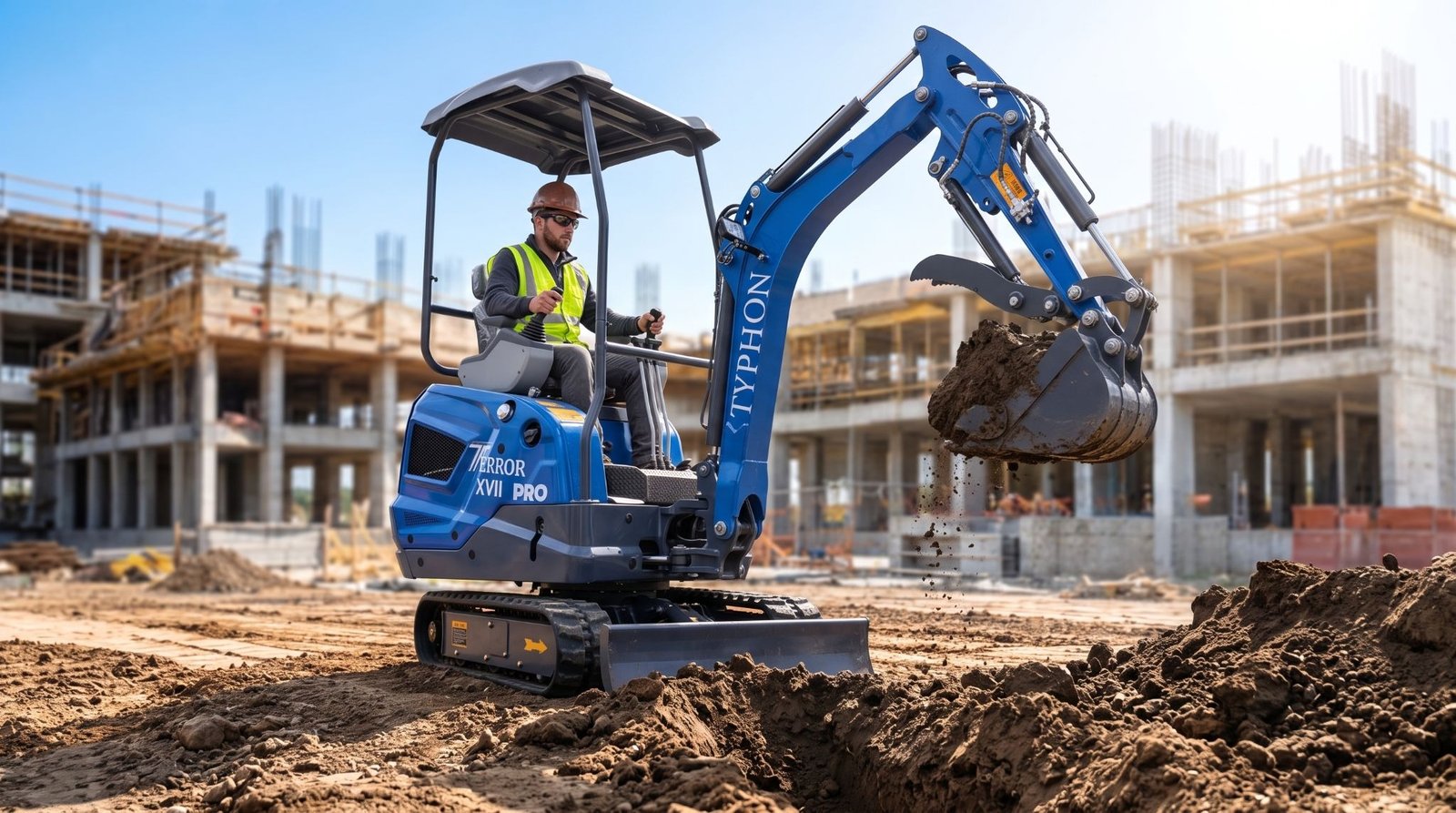
You settle into the seat, grab the joysticks, and swing the boom out over a fresh trench line. The bucket drops, curls, and lifts a heavy scoop of soil in one smooth motion, then swings clear and dumps it. That fluid, almost effortless cycle you just ran wasn’t magic. It was two hydraulic cylinders, the boom and the arm, working in precise coordination to put the bucket exactly where you needed it. When they work in sync, digging feels natural. When one lags, leaks, or drifts, every cycle turns into a fight.
Understanding how the boom and arm cylinders share the work makes you a better operator and a sharper diagnostician. In this guide, you’ll learn what each cylinder does, how they move together through a digging cycle, the forces they wrestle with underground, the problems that creep in over time, and the maintenance habits that keep them strong. By the end, you’ll read your machine’s motion the way a mechanic reads a gauge.
What Each Cylinder Actually Does
The boom and arm cylinders each control a different part of the excavator’s movement, and understanding their individual roles makes their combined action easier to see. The boom controls the main lifting and lowering motion, while the arm manages reach and bucket positioning. Although they work side by side, each cylinder has a unique job in the digging process.
The boom cylinder raises and lowers the main boom to control digging height and overall reach, while the arm cylinder extends and retracts the stick to position the bucket with greater precision. Working together, they allow the operator to dig efficiently, load accurately, and maintain smooth, controlled movement throughout the excavation cycle.
The Boom Cylinder: Raising and Lowering the Reach
The boom is the large first section that pivots off the excavator’s house, and the boom cylinder (often a pair) raises and lowers it. Extend the cylinder, and the boom lifts, pulling the whole front end up and back. Retract it, and the boom drops, pushing the arm and bucket down toward the ground. This is your primary control for depth and height.
Because the boom carries the weight of the arm, bucket, and load, the boom cylinder handles serious lifting force. It’s the muscle that hoists a full bucket up out of a trench and holds it steady while you swing. Think of the boom cylinder as the shoulder of the machine: it sets how high or low the whole working end reaches.
The Arm Cylinder: Extending and Curling the Stick
The arm, also called the stick, is the second section that hangs off the end of the boom, and the arm cylinder drives it in and out. Extend the cylinder, and the arm swings outward, reaching the bucket away from the machine. Retract it, and the arm draws the bucket back in toward the cab, which is the pulling motion that actually fills the bucket during a dig.
If the boom is the shoulder, the arm is the forearm. It controls reach and, more importantly, the powerful inward sweep that drags the bucket through the soil. That curling-in motion of the arm is where much of your digging force comes from, pulling material into the bucket rather than just pushing at it.
Takeaway: The boom cylinder raises and lowers the whole working end to set depth and height, while the arm cylinder extends for reach and retracts to pull the bucket through the cut.
How They Move Together Through a Digging Cycle
A digging cycle isn’t one cylinder acting alone; it’s a choreographed sequence where the boom and arm hand off to each other. Understanding that sequence is what turns jerky, inefficient passes into smooth, productive ones. Here’s how the two cylinders trade the lead through a single scoop.
As the boom lowers the attachment toward the ground, the arm extends to position the bucket for the cut. During digging, both cylinders adjust together to control depth, reach, and bucket movement. After the bucket fills, the boom lifts while the arm retracts to bring the load closer for smoother and more efficient operation.
The Four Phases of a Dig
A clean digging cycle breaks into four coordinated moves. Each phase leans on a different cylinder combination, and knowing them helps you feel where the power should be coming from:
- Position: The boom cylinder lowers the boom while the arm cylinder extends, reaching the bucket out to the start of the cut.
- Dig: The arm cylinder retracts, drawing the bucket back through the material, while the bucket cylinder curls to bite and fill.
- Lift: The boom cylinder extends to raise the loaded bucket clear of the trench, holding it steady.
- Dump: After the house swings, the arm and bucket cylinders work together to reach out and release the load.
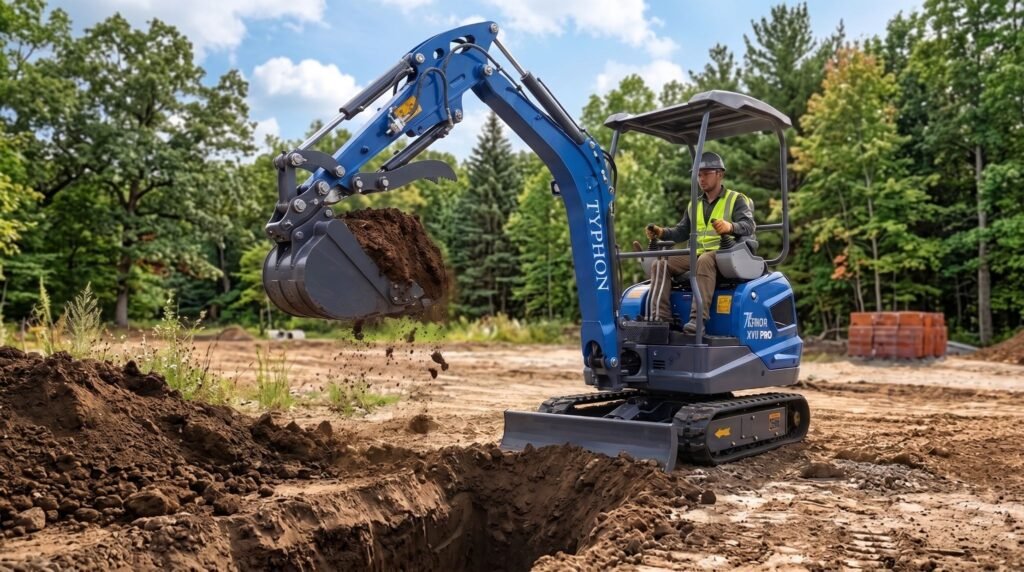
Notice how the arm does most of the actual cutting while the boom manages depth and lift. The best operators blend these moves rather than running them one at a time, feathering the boom up slightly as the arm pulls to keep the bucket cutting at a consistent depth.
Blending Motions for a Smooth, Efficient Cycle
The difference between a rough operator and a smooth one lives in how they overlap cylinder movements. Instead of finishing the arm pull, then starting the boom lift, a skilled operator overlaps them so the bucket rises out of the cut in one continuous arc. That blending cuts cycle time and reduces shock loading on the hydraulics.
This teamwork matters for your machine’s health, too. Smooth, coordinated motion spreads the load across both cylinders and keeps pressure spikes down. Jerky, isolated movements slam the cylinders with sudden loads, which wears seals and pins faster and burns more fuel for less work.
Takeaway: A digging cycle hands off between cylinders in four phases, and blending the boom and arm movements together produces faster cycles, smoother digging, and less wear on the machine.
Common Cylinder Problems That Hurt Performance
Even a well-built machine develops cylinder issues over time, and they usually show up as changes in how the machine moves. Catching these early keeps a small repair from becoming a major failure. Here are the problems operators run into most.
Cylinder problems often start with small warning signs, such as slow movement, uneven operation, or visible leaks around the seals. Worn seals, damaged rods, and internal pressure loss can reduce digging power and make the machine harder to control. Regular inspections help identify these issues early and prevent costly downtime or larger hydraulic repairs.
Cylinder Drift and Slow Response
Cylinder drift is one of the most telling symptoms. If you park with the boom raised and it slowly sinks on its own, or the arm creeps out while you hold position, oil is leaking past a worn piston seal or a faulty hold valve inside the cylinder. Drift wastes your positioning and signals internal wear that will only worsen.
A sluggish or uneven response is another red flag. If a cylinder extends slower than it used to, hesitates, or moves in a jerky, stuttering fashion, you may be dealing with low hydraulic pressure, air in the system, or internal bypass. These issues steal cycle speed and make precise work frustrating.
Leaks, Rod Damage, and Seal Wear
External leaks are the most visible problem. Oil weeping around the rod or seals means a seal has failed, and beyond the mess and cost of lost oil, a failed seal lets contaminants in and pressure out. Left alone, a small weep becomes a steady leak that starves the system and drops your digging force.
The cylinder rod itself is vulnerable, too. A scratched, pitted, or bent rod will chew through seals repeatedly and can eventually score the cylinder bore. Rust, impact damage, and flying debris are the usual culprits, which is why a damaged rod surface should never be ignored, since it turns a cheap seal job into a costly cylinder rebuild.
Takeaway: Drift, sluggish or jerky motion, external oil leaks, and rod damage are the warning signs that a boom or arm cylinder needs attention before it fails outright.
Hydraulic Cylinder Care That Prevents Costly Repairs
Most cylinder failures trace back to skipped maintenance, not bad luck. A consistent routine protects the seals, rods, and hydraulic oil that these cylinders depend on. The habits are simple, and they extend the life of the most expensive components on the front end.
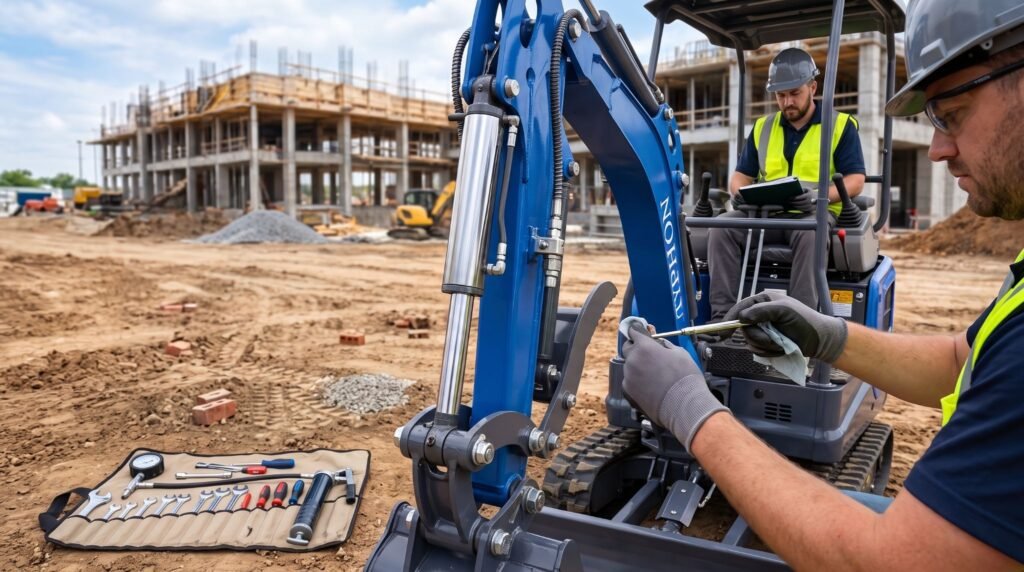
Regularly inspecting for leaks, keeping cylinder rods clean, and checking hydraulic oil quality can prevent many common problems. Simple steps like lubricating pivot points and addressing small damage early help maintain smooth movement, protect cylinder components, and reduce unexpected repair costs.
Daily and Routine Care
Build a short inspection into your daily walkaround. Before you start digging, take a moment to check each cylinder and its surroundings:
- Look for leaks around the rods and seals, and note any fresh oil on the ground.
- Inspect the rods for scratches, pitting, rust, or any sign of bending.
- Check the pins and bushings at the cylinder mounts for looseness or play.
- Watch the first few cycles for drift, hesitation, or uneven motion.
Lubrication is just as important. Grease the boom and arm pivot points on schedule, because dry pins wear fast and put uneven loads on the cylinders. Keeping the rods clean and free of caked-on debris also protects the seals every time the cylinder retracts.
Protecting the Hydraulic System
The cylinders are only as healthy as the oil that drives them. Keep the hydraulic fluid clean and at the right level, and change it and the filters on the manufacturer’s schedule, since contaminated oil is the fastest way to destroy seals, pistons, and pumps. Clean oil is cheap insurance for expensive parts.
Mind how you operate, as well. Avoid running cylinders hard against their full-stroke stops, which slams the internal structure, and don’t use the boom or arm to pry or hammer in ways the machine wasn’t designed for. Storing the machine with rods retracted where possible protects the exposed rod surface from rust and pitting during downtime.
Takeaway: A daily leak-and-rod check, regular greasing, clean hydraulic oil, and disciplined operation prevent the vast majority of boom and arm cylinder failures.
Conclusion
The boom and arm cylinders determine how efficiently a mini excavator converts hydraulic power into controlled digging force. The boom cylinder handles vertical lifting, bucket positioning, and breakout force, while the arm cylinder controls reach and the bucket’s pulling motion through the material. When these cylinders work in harmony, operators achieve smoother bucket movement, shorter cycle times, and greater digging precision without placing excessive loads on the hydraulic system or structural components.
Preserving this coordinated movement requires more than repairing problems after they occur. Routine inspections for oil leaks, rod scoring, worn seals, and sluggish cylinder response help identify wear before it reduces hydraulic efficiency or digging accuracy. Combined with clean hydraulic oil, proper lubrication, and smooth operating techniques, these maintenance practices help a compact excavator maintain responsive cylinder action, stable lifting force, and reliable excavation capability under continuous operating conditions.
Frequently Asked Questions
Why does my excavator have two boom cylinders but only one arm cylinder?
Many excavators use two boom cylinders because the boom carries the arm, bucket, and load, requiring more lifting force and better balance. The arm usually needs only one cylinder because it pulls the bucket through the cut along a centered line, which provides enough force for its main job. Some designs vary, but the boom typically handles the heavier lifting demand.
Can I improve digging speed by moving the boom and arm together?
Yes. Skilled operators combine boom and arm movements to create smoother, faster digging cycles. Overlapping these motions keeps the bucket cutting continuously, reduces cycle time, and improves productivity. The key is controlled, smooth movements rather than forcing both functions at full speed, which can increase hydraulic stress.
What do cylinder drift or oil leaks tell me about my excavator?
A slowly dropping boom or oil around the cylinder rod usually indicates internal seal wear or a damaged component. These issues reduce hydraulic performance and can worsen over time. Inspect leaks early, check the rod condition, and repair worn seals before a small problem turns into a costly cylinder rebuild.
